
Out-of-Home Advertising: Reaching Customers Beyond the Screen
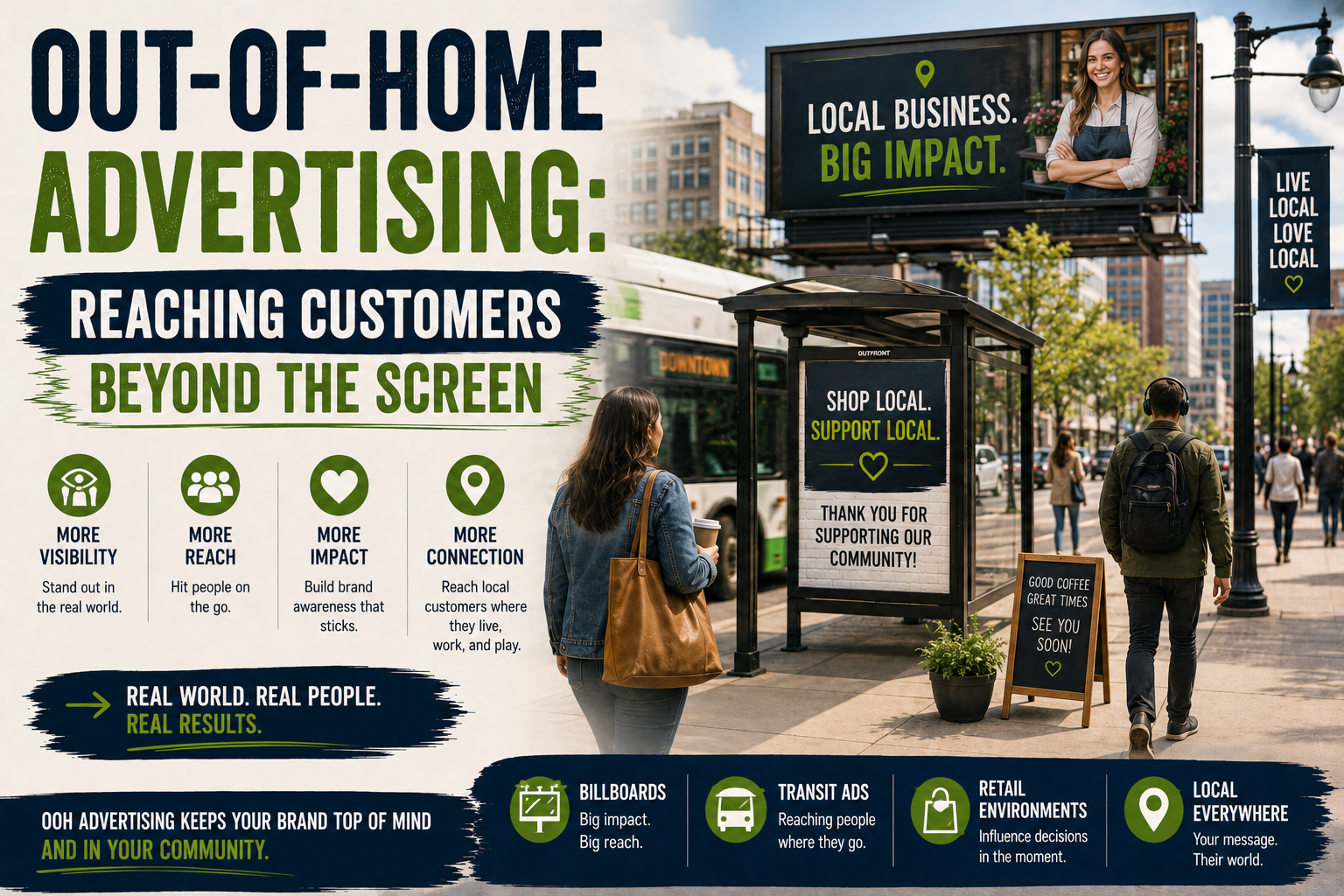
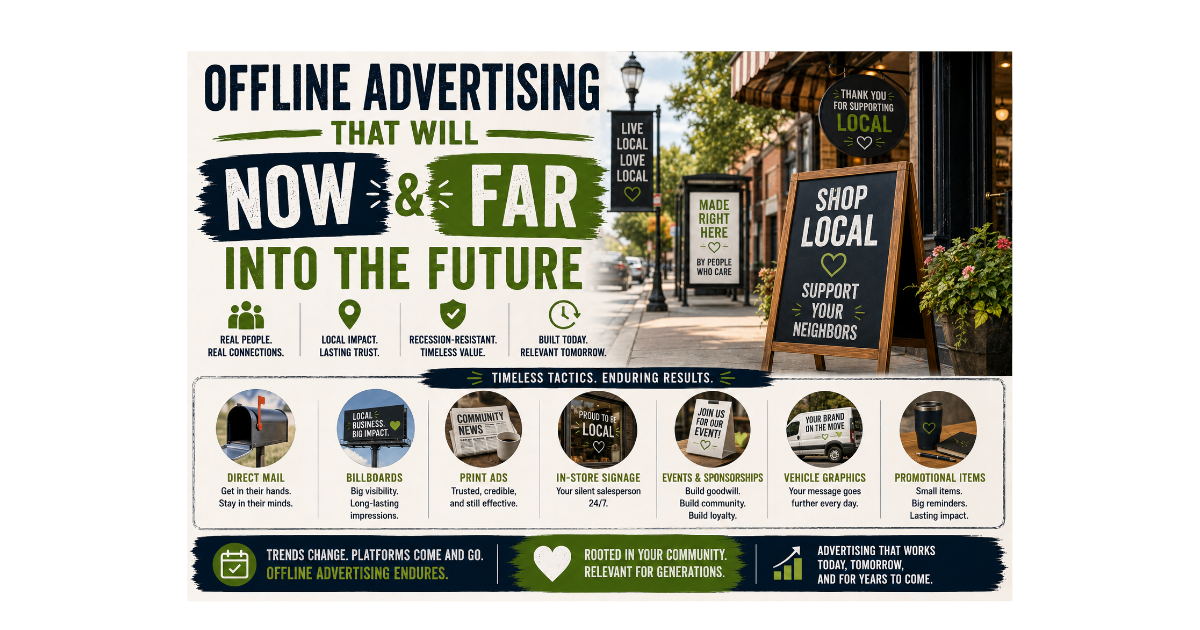
Many business owners overlook one of the oldest and most effective advertising methods available: Out-of-Home (OOH) advertising. Simply put, Out-of-Home advertising refers to any marketing message consumers encounter while they are outside their homes.
From billboards and bus benches to transit ads and digital displays, OOH advertising allows businesses to reach potential customers where they live, work, shop, and travel.
One of the biggest advantages of Out-of-Home advertising is visibility. Unlike online ads that can be skipped, blocked, or ignored, OOH advertisements are often unavoidable.
A well-placed billboard on a busy highway or a branded advertisement at a local bus stop can generate thousands of impressions every day. This constant exposure helps build brand awareness and keeps a business top-of-mind when consumers are ready to make a purchase.
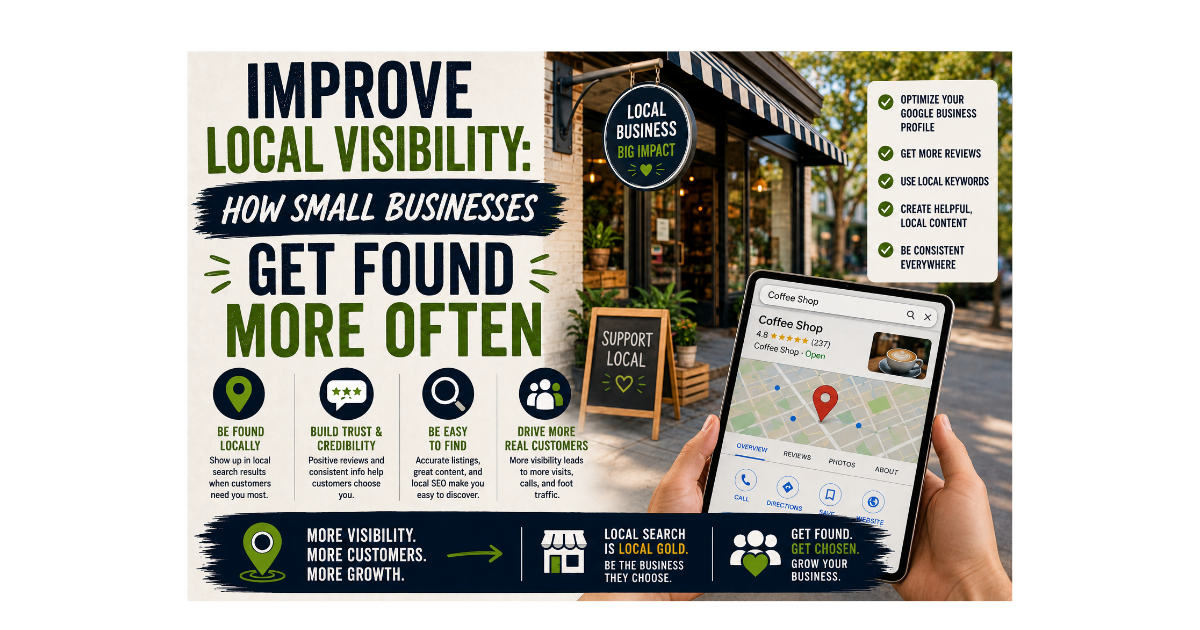
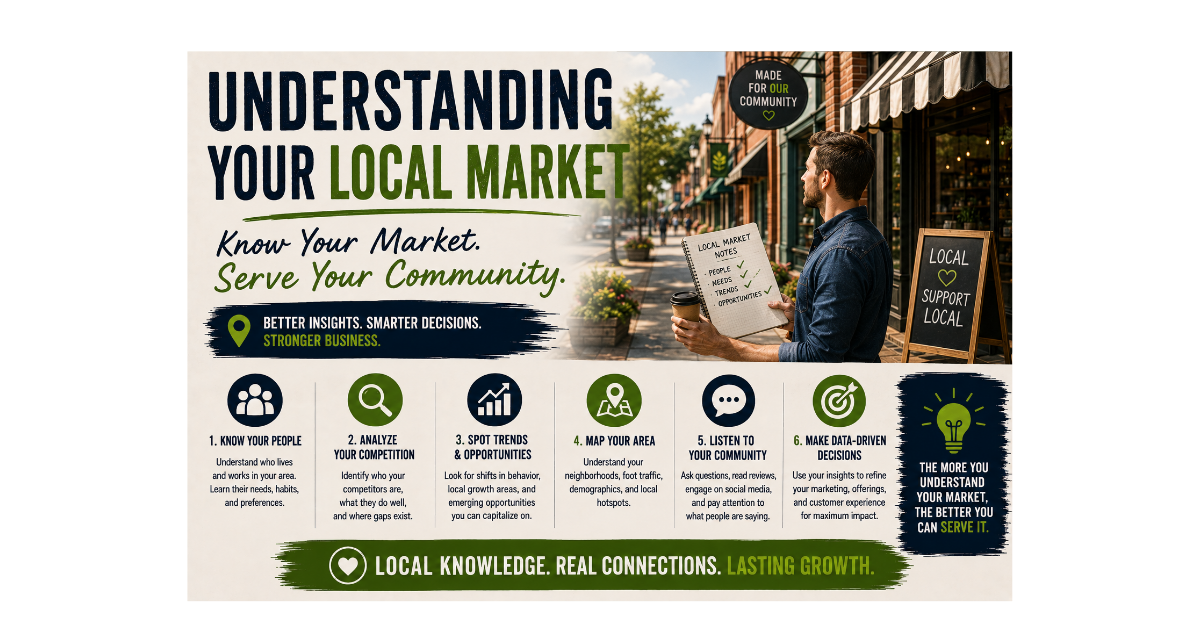
Another benefit of OOH advertising is its ability to target specific geographic areas. Local businesses can place advertisements in neighborhoods where their ideal customers live or commute.
A restaurant can advertise near office districts, while a retail store can target shoppers near busy commercial areas. This geographic precision makes OOH advertising especially valuable for small and medium-sized businesses that rely on local customers.
Modern Out-of-Home advertising has evolved significantly in recent years. Digital billboards and electronic displays allow advertisers to change messages instantly, schedule promotions at specific times of day, and even display multiple advertisements on a rotating basis.
This flexibility provides businesses with many of the advantages associated with digital marketing while maintaining the high visibility of traditional outdoor advertising.
Successful OOH advertising depends on simplicity. Drivers, pedestrians, and commuters often have only a few seconds to absorb a message.
Effective advertisements use bold visuals, minimal text, and a clear call to action. A simple headline, memorable image, and easy-to-remember website or phone number can often outperform a cluttered advertisement packed with information.
Measuring the effectiveness of OOH advertising has also become easier. Businesses can track increases in website traffic, phone calls, store visits, and sales during advertising campaigns.
Many companies use unique landing pages, QR codes, or promotional offers to directly attribute customer responses to their OOH efforts.
While Out-of-Home advertising can require a larger upfront investment than some digital channels, its ability to generate widespread awareness makes it a valuable component of a comprehensive marketing strategy.
When combined with online marketing, social media, and other offline tactics, OOH advertising can help businesses reach customers across multiple touchpoints and reinforce their brand message.
For businesses looking to increase local visibility, build credibility, and reach consumers in the real world, Out-of-Home advertising remains one of the most powerful marketing tools available.
In an increasingly crowded digital landscape, sometimes the best way to stand out is to meet customers where they already are—outside.