
How to Measure Offline Marketing Success: Busting the Unmeasurable Myth
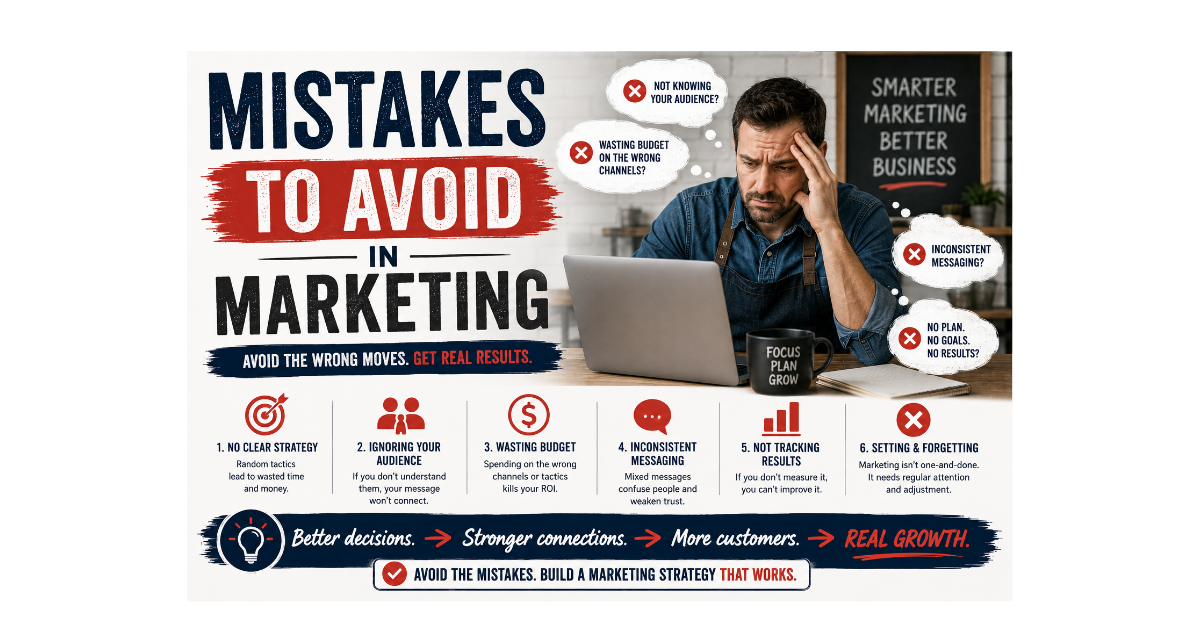
Your marketing budget is bleeding out on the sidewalk and you're just standing there watching it. You’ve been told that physical ads are a "brand play" that can't be tracked. That's a lie. It's a convenient excuse for agencies that don't want to be held accountable for your results. If you don't know how to measure offline marketing success , you aren't running a business; you're running a charity for your local printer.
It's frustrating to feel invisible while digital competitors brag about their fancy dashboards. You're tired of wasting spend on unmonitored flyers and "spray and pray" tactics that leave you guessing. You need to see the direct line between a dollar spent and a customer walking through your door. I understand that bridge feels like it requires a degree in rocket science, but it doesn't.
This is your street-smart guide to stop guessing and start tracking. I'll show you a clear system to monitor every physical touchpoint without the digital fluff. We're going to look at real-world attribution models, from location data to custom lead capture, that prove traditional marketing still works in 2026. Let's get to work.
Key Takeaways
- Stop letting agencies hide behind the "unmeasurable" myth. Learn why physical marketing isn't a black hole for your budget when you have the right tracking infrastructure in place.
- Bridge the gap between physical ads and digital results using unique offer codes and dedicated phone lines. These simple tools provide the raw data you need to see exactly what is working.
- Discover how to measure offline marketing success by assigning a unique identifier to every single asset you distribute. This system ensures you never waste a dollar on a flyer that doesn't perform.
- Stop chasing vanity clicks and start focusing on cash-in-register results. Learn why traditional marketing often beats digital when it comes to reaching real human beings instead of bots.
- Build a physical attribution machine that identifies exactly where your sales funnel is leaking. Stop the guesswork and start making marketing decisions based on hard evidence from the trenches.
Table of Contents
- The Brutal Myth of the Unmeasurable Offline Campaign
- Traditional Marketing vs Digital Marketing: The Great Tracking Lie
- Tracking Without a Keyboard: The 5 Pillars of Physical Attribution
- Building Your Offline Attribution Machine
- Why a Physical Store Marketing Consultant is Your Best Measurement Tool
The Brutal Myth of the Unmeasurable Offline Campaign
Stop lying to yourself. If you think your offline ads are unmeasurable, you’re just making excuses for poor planning. Most agencies love this myth. It lets them take your money for "brand awareness" without ever proving it works. If you don't know how to measure offline marketing success , you’re essentially running a charity for your local printer. You deserve better than a "gut feeling."
Traditional marketing is actually more honest than digital clicks. Clicks are cheap. Clicks are often fake. In 2026, the "Bot Problem" is a reality where a massive chunk of digital budgets is devoured by scripts, not customers. A person standing at your counter with a physical flyer? That is undeniable proof of performance. Your local business is struggling because you’ve been sold the lie that "reach" matters more than revenue. Reach is a vanity project. Revenue is survival. Stop trusting agencies that talk about "eyeballs" when they should be talking about transactions.
The Definition of True Offline Attribution
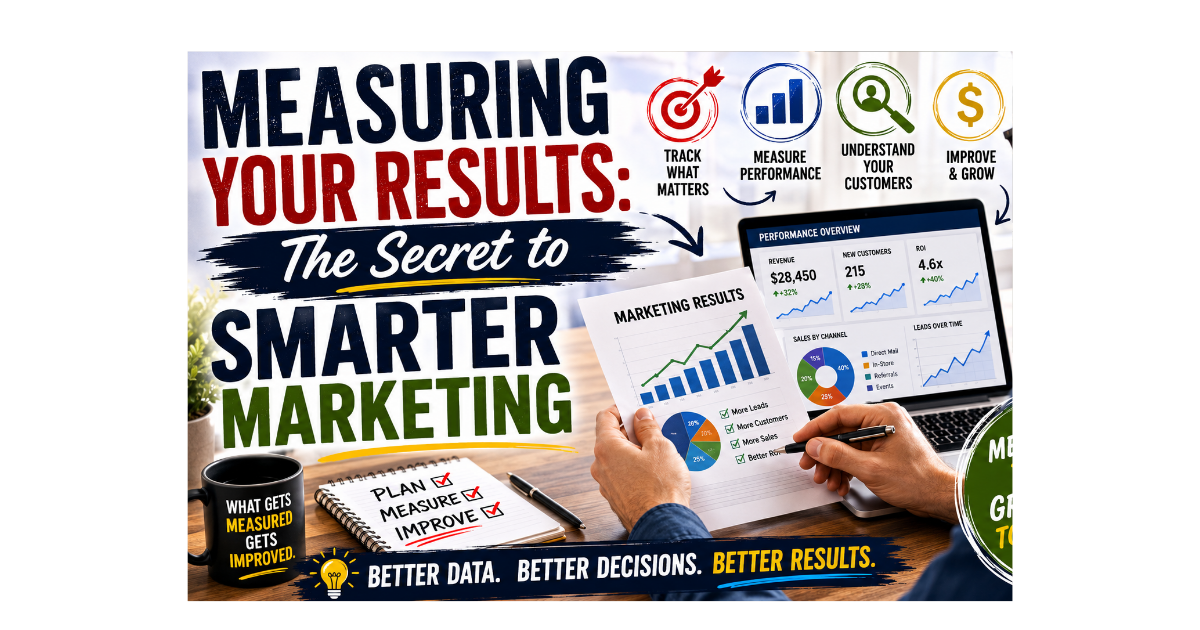
Street-level Marketing attribution isn't about tracking cookies or complex digital footprints. It's about identifying exactly which physical asset triggered a sale. The "last-click" model fails your brick-and-mortar store because it ignores the physical journey. To get it right, you must establish a baseline. What were your sales numbers before you dropped that flyer? If you don't know your starting point, you’re just guessing. You need a clear system to see how to measure offline marketing success without the digital fluff. You need to know exactly which street corner produced your best customer.
The High Cost of Blind Advertising
Do you know how much money you’re losing right now? Every unmonitored flyer is a leak in your bucket. The psychological toll of "hoping" your marketing works is exhausting. It keeps you up at night. "Brand awareness" is a luxury for corporations with billions to waste. For a small business, it’s a death sentence. If your marketing doesn't produce a measurable result, it isn't marketing; it's a hobby. You can't afford hobbies.
The cost of blind advertising isn't just financial. It's the anxiety of not knowing if your business will be here in six months. When you drop 5,000 flyers and the phone doesn't ring, do you know why? Was it the offer? Was it the neighborhood? Without tracking, you’re flying blind. You’re gambling with your family’s future. You need to treat your offline spend with the same data-driven rigor as a digital campaign. No more guessing. No more hoping. Just hard results.
Traditional Marketing vs Digital Marketing: The Great Tracking Lie
Most digital agencies are selling you a fairy tale. They show you a dashboard full of glowing charts and call it success. But a click isn't a customer. It's just a pixel moving on a screen. In the physical world, we deal with human beings. This is where you learn how to measure offline marketing success by looking at who actually walks through your door. Digital marketing is a hall of mirrors; offline marketing is the reality of your bottom line.
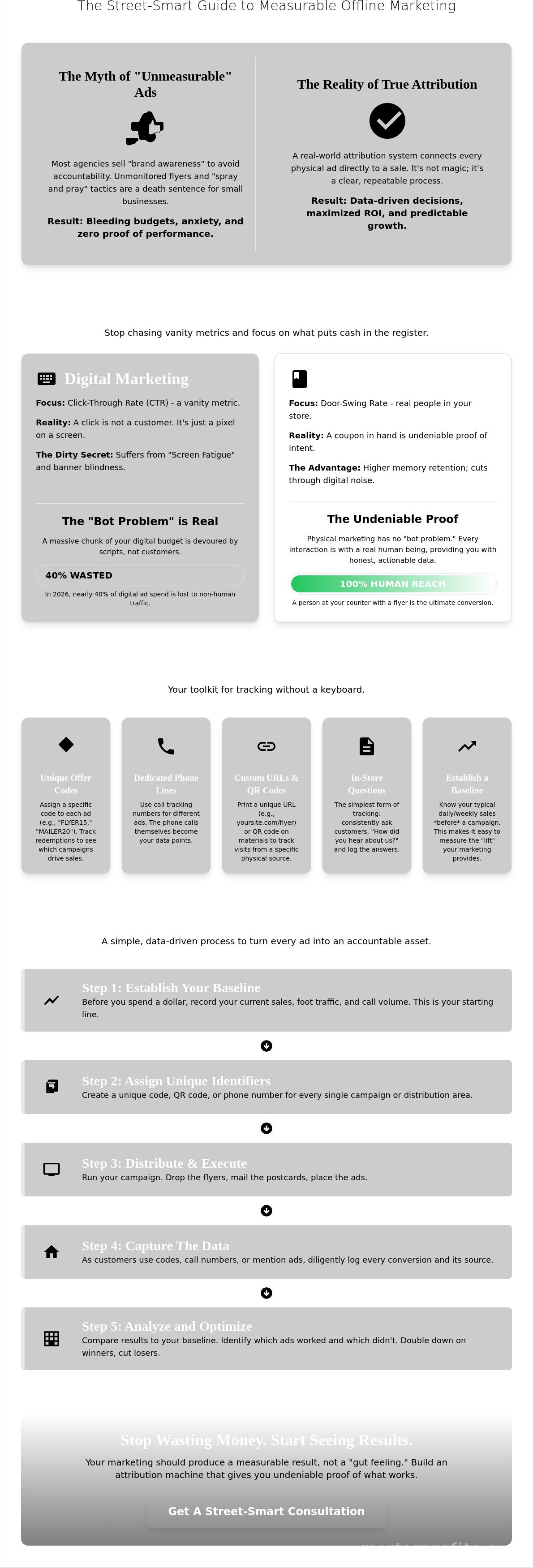
The "Bot Problem" is the industry’s dirtiest secret. In 2026, nearly 40% of digital ad spend is lost to non-human traffic. That’s your hard-earned cash feeding a script in a server farm. Physical marketing doesn't have this problem. A flyer in a mailbox doesn't get "clicked" by a bot. It gets held by a human. It sits on a kitchen counter. This is why real world marketing tactics consistently beat digital for local retention. Physical touchpoints create higher memory retention because they occupy space in the real world, not just a flickering second on a scrolling feed.
Click-Through Rate vs. Door-Swing Rate
Digital experts obsess over Click-Through Rate (CTR). It's a vanity metric. You can't pay your rent with clicks. You need to focus on your Door-Swing Rate. How many people physically entered your store because of that specific ad? A physical coupon in a hand is worth ten digital banners because it represents physical intent. People are exhausted by "Screen Fatigue." They’re tuning out the digital noise and looking for something they can actually touch. If you're tired of the digital smoke and mirrors, a street-smart consultant can help you build a tracking system that actually counts people, not ghosts.
The Attribution Gap: Where Digital Fails Local
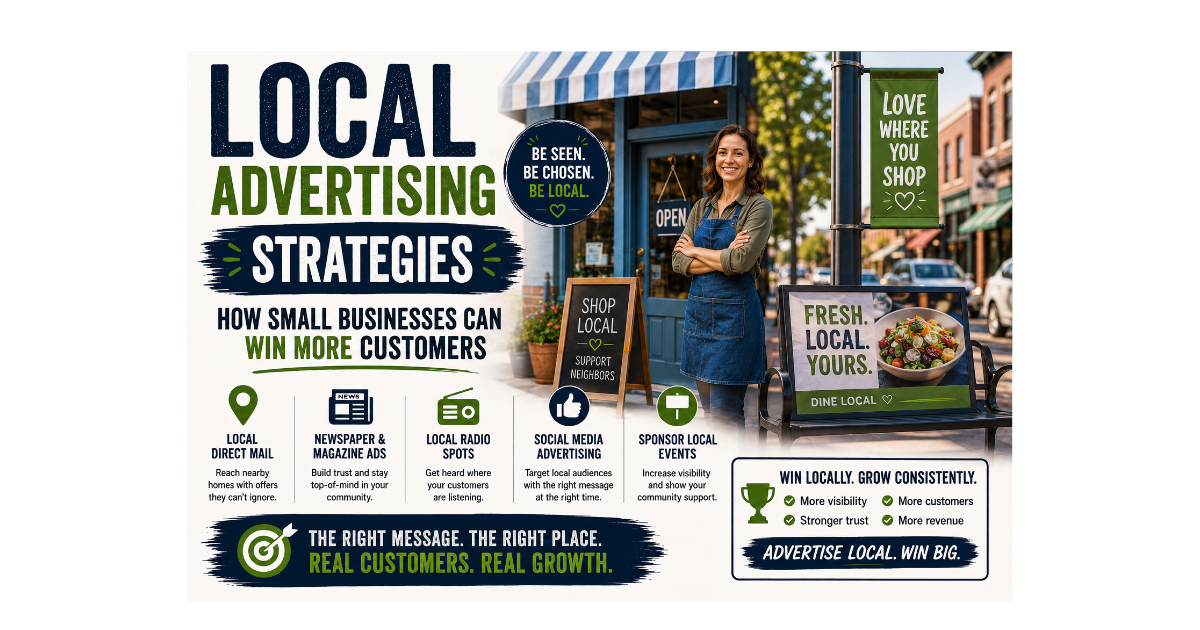
Google Maps is a useful tool, but it's not a mind reader. It can’t tell you exactly why someone chose your shop over the competitor down the street. It might track the location, but it misses the motivation. Physical presence in a 5-mile radius builds a level of trust that an algorithm simply cannot replicate. You need to stop being invisible in your own neighborhood. To start reclaiming your local territory, read this small business offline advertising guide and stop letting the "tracking lie" drain your bank account.
Measuring the real world requires a different set of tools. You don't need a keyboard to see how to measure offline marketing success ; you just need to start looking at the right metrics. Digital ads offer you "traffic," but offline marketing offers you "neighbors." One is a statistic. The other is a business.
Tracking Without a Keyboard: The 5 Pillars of Physical Attribution
You don't need a Silicon Valley dashboard to see what's working. You need a system that survives the real world. Most digital-first agencies will tell you to slap a QR code on everything and call it a day. They're wrong. Not everyone wants to pull out their phone to scan a pixelated box. If you want to know how to measure offline marketing success , you need to use tools that people actually use. You need to track the movement of human beings, not just pixels.
Stop being lazy with your data. Physical attribution relies on five hard-hitting pillars. These aren't suggestions; they're the foundation of a profitable business. If you aren't using these, you're just throwing money at the wind and hoping it sticks.
- Unique Offer Codes: The gold standard. If they don't have the code, they don't get the deal.
- Dedicated Phone Lines: Segment your calls by source. One number for the billboard, another for the flyers.
- The POS Interview: Your staff is your front-line intelligence. Make them ask the question.
- Geofenced Coupons: Use location data to trigger offers when they're near your shop.
- Vanity URLs: Short, punchy web addresses that are easy to remember from a radio spot or sign.
The Power of the Unique Redemption Code
Structure your codes to tell a story. Use "NORTH20" for the north side mailer and "JUNE10" for the summer flyer. This tells you exactly which neighborhood is buying and which date was most effective. It also lets you track "pass-along" value. When one flyer ends up on a breakroom fridge and brings in three different customers, your unique code captures that ripple effect. Never use "mention this ad." It's a recipe for failure. Customers forget. Your staff gets busy and stops asking. The data becomes trash. If you want to see how to measure offline marketing success , make the code the only way to get the discount.
Call Tracking and Dedicated Landing Pages
Use low-cost VOIP numbers to segment your advertising sources. It’s cheap, and it works. When the phone rings on the "Billboard Line," you know your signage is doing its job. This isn't just about volume; it's about quality. A five-minute conversation from a physical ad is worth more than a hundred "clicks" from a bot-heavy digital campaign. Pair these numbers with vanity URLs. Something short and visceral. It bridges the physical and digital worlds without the friction of a complex search. You’re in the trenches of a real business. Start using tools that actually report for duty.
Building Your Offline Attribution Machine
Stop treating your marketing like a lottery. You don't "hope" your way to a profit. You build a machine. If you've followed the pillars in the previous section, you have the tools. Now you need the assembly line. Learning how to measure offline marketing success requires a ruthless commitment to the process. If you can't track it, you can't manage it. Period.
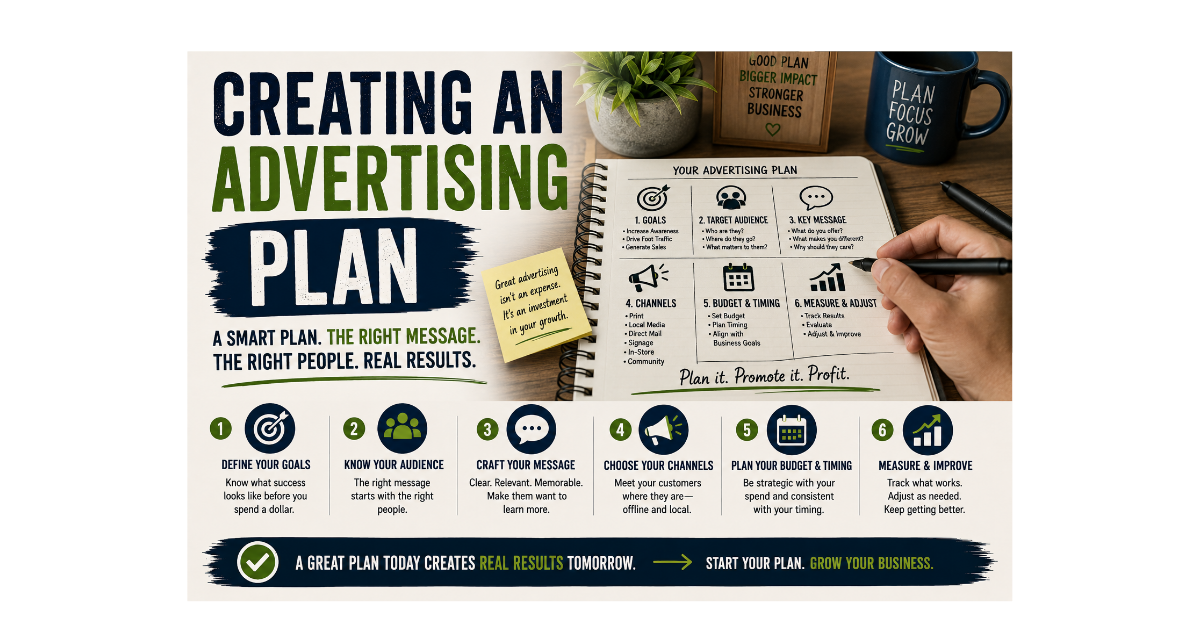
Step 1: Define your metric. Pick one. Is it cash in the register? Is it a signed lead form? Don't tell me it's "exposure." Exposure is what people die of in the woods. Step 2: Assign a unique identifier. Every flyer, billboard, or mailer gets a tag. If it doesn't have an ID, it doesn't leave the office. Step 3: Train the front line. Your cashiers are your data analysts. If they don't record the source, the data is dead. Step 4: Centralize. Put it in a spreadsheet. You don't need a $500-a-month software suite. You need a column for "Source" and a column for "Revenue." Step 5: Audit and Pivot. Be a surgeon. Cut the campaigns that aren't returning 3x your spend. Double down on the ones that are.
Setting Your Baseline Metrics
You can't know where you're going if you don't know where you're standing. Calculate your Customer Acquisition Cost (CAC) today. Take your total marketing spend and divide it by your new customers. Is that number sustainable? Now, look at Lifetime Value (LTV). A local customer who visits twice a month for five years is worth more than a one-time bargain hunter. Track your "No-Sales" too. If 100 people came in with a flyer but only 10 bought something, you don't have a marketing problem; you have a sales problem. You need to know exactly how to measure offline marketing success by looking at the gaps in your funnel, not just the wins.
Training Your Team for Data Accuracy
Your team will fail you if you don't give them a reason to care. Create an incentive loop. Reward the staff member with the most accurate tracking logs. Don't just bark orders. Explain why the data matters. If the business grows, their jobs are safer. Avoid the pitfall of the "generic entry." If your POS allows a "Miscellaneous" button, delete it. Force specific data entry or you'll end up with a pile of useless numbers. Creating a culture of measurement is the only way to survive in a brick-and-mortar environment. If you need help structuring this system, book a consulting session to get your attribution machine running correctly.
Why a Physical Store Marketing Consultant is Your Best Measurement Tool
Digital agencies are desk-jockeys. They live in a world of pixels, "projected reach," and theoretical engagement. You live in the trenches. You need someone who understands the weight of a physical flyer and the sound of a ringing phone. A street-smart consultant doesn't care about your "brand aesthetic." They care about your bank balance. This is the ultimate way to master how to measure offline marketing success because it moves the focus from academic data to cold, hard cash. Eyeballs don't pay the mortgage. Transactions do.
A digital agency wants to sell you a monthly retainer and a fancy report. A battle-hardened consultant wants to build you a result. They know that the "unmeasurable" label is just a shield for incompetence. When you bring in an expert, you aren't just buying advice; you're buying a filter. They help you cut through the noise of a thousand different tactics and focus on the three that actually move the needle for your specific location. They move you from "doing marketing" to managing a profit machine.
The ROI of Expert Guidance
Most business owners are too close to their own problems. You walk past the same crooked sign every day and your brain just stops seeing it. A consultant provides the "Outside Eye." They see the street-level flaws that are killing your conversion rate before a customer even walks in. They identify the "Leaking Buckets" in your physical sales funnel. Maybe your mailer is great but your staff is failing the POS interview we discussed earlier. Killing one ineffective ad campaign often pays for the consultant's fee in a single month. You get a customized measurement framework built for your specific industry, not a generic template from a blog post. This isn't a luxury; it's an efficiency play.
Taking the Next Step to Profitability
Stop "doing marketing" like it's a chore you hope will work. Start managing a machine. Every day you wait to implement these tracking systems is a day you're literally throwing money into the gutter. The unmeasurable myth is a security blanket for the lazy. It's time to rip it off. You've seen the pillars of attribution. You've seen how to build the machine. Now you need the battle-hardened mentor to ensure you don't trip over your own feet. You don't need more "awareness." You need more customers. Stop guessing and start growing. Get a street-talking expert in your corner with Mortar Profits consulting and learn exactly how to measure offline marketing success before your competitors figure it out first.
Stop Guessing and Start Growing Your Bottom Line
You’ve been lied to for years. They told you physical marketing was a "brand play" that couldn't be tracked. Now you know better. You have the tools to build a physical attribution machine that puts digital dashboards to shame. By using unique identifiers, training your front line, and ruthlessly auditing your spend, you’re no longer a victim of the "unmeasurable" myth. Exposure is for amateurs; revenue is for pros.
Knowing how to measure offline marketing success is the difference between a business that survives and one that dominates its territory. You don't need more "awareness." You need a system that tracks every dollar from the mailbox to the cash register. This isn’t rocket science; it’s street-smart accountability. No more guessing. No more hoping. Just hard data.
Ready to take the next step? We provide battle-hardened strategies for local entrepreneurs who are tired of digital smoke and mirrors. There’s no corporate fluff; just street-smart results trusted by brick-and-mortar owners worldwide. Stop burning cash and start measuring with our Offline Marketing eBooks.
Your business is too important to leave to chance. Get out there and start counting what actually matters. You've got this.
Frequently Asked Questions
Is it really possible to track offline marketing as accurately as digital?
Yes, it is possible and often more honest than digital metrics. Digital ads are plagued by bots and phantom clicks that drain your budget without delivering a single soul. By using unique physical identifiers, you can see exactly how to measure offline marketing success with zero guesswork. You aren't tracking a pixel; you're tracking a person walking through your door with a specific intent. That is a level of accuracy Google can’t touch.
What is the cheapest way to start measuring foot traffic today?
The cheapest way is a simple paper log or a "redemption" button on your cash register. You don't need expensive software to start. Just assign a unique code to your flyers and have your staff record every time one is used. It costs nothing but a few minutes of training. This baseline data is the foundation of your attribution machine and provides immediate proof of which neighborhoods are actually buying.
How do I track word-of-mouth referrals in a physical store?
You track word-of-mouth by making the "How did you hear about us?" question mandatory for every new customer. Train your staff to dig deeper than just "the internet" or "a friend." Was it a specific event? A neighbor’s recommendation? Record these answers in a simple spreadsheet. This turns invisible chatter into actionable data. If you don't ask, you're leaving your most powerful marketing channel in the dark.
Do QR codes actually work for local small businesses in 2026?
QR codes work in 2026 if they lead to a "scan-only" exclusive deal. They shouldn't be your only tool, but they are great for customers who want zero friction. Just make sure the landing page is optimized for mobile and the offer is worth the effort of pulling out a phone. If you just send them to your homepage, you’ve wasted their time and your printing budget. Don't be lazy with your links.
How do I calculate the ROI of a flyer distribution campaign?
Calculate your ROI by subtracting the total campaign cost from the revenue generated by that campaign’s unique codes. Then divide that number by the campaign cost. If you spent $500 on flyers and made $1,500 in tracked sales, your ROI is 200%. This simple math cuts through the fluff and tells you exactly which campaigns to kill and which to scale for maximum profit. Stop guessing and start counting.
Can I use my existing POS system to track marketing success?
Most modern POS systems have built-in "Discount" or "Promo Code" fields that you can repurpose for tracking. Instead of just a generic "10% off" button, create codes like "FLYER_JUNE" or "RADIO_SPOT." This allows you to pull a report at the end of the month and see exactly how to measure offline marketing success through your existing hardware. Stop ignoring the tools you already pay for and start using them.
What are the most important KPIs for a brick-and-mortar business?
Focus on your Door-Swing Rate, Customer Acquisition Cost (CAC), and Lifetime Value (LTV). Door-Swing Rate tells you if your ads are working. CAC tells you if those ads are affordable. LTV tells you if those customers are worth keeping. Everything else is just a vanity metric that makes you feel good but doesn't pay the bills. If a metric doesn't lead to a business decision, stop tracking it.
Why is my "Brand Awareness" campaign not resulting in sales?
Your campaign is failing because "awareness" is a corporate luxury, not a sales strategy. Awareness just means people know you exist; it doesn't give them a reason to visit today. Small businesses need direct-response marketing. If your ad doesn't have a clear offer and a deadline, it is just expensive wallpaper. Stop paying for "eyeballs" and start paying for transactions with an offer that actually triggers physical movement.