
Measuring Your Results: The Secret to Smarter Marketing

Many small business owners invest time and money into marketing without ever knowing whether it's actually working. They run ads, print flyers, sponsor local events, and post on social media, but when asked which marketing activity produces the most customers, they often don't have a clear answer.
That's a problem.
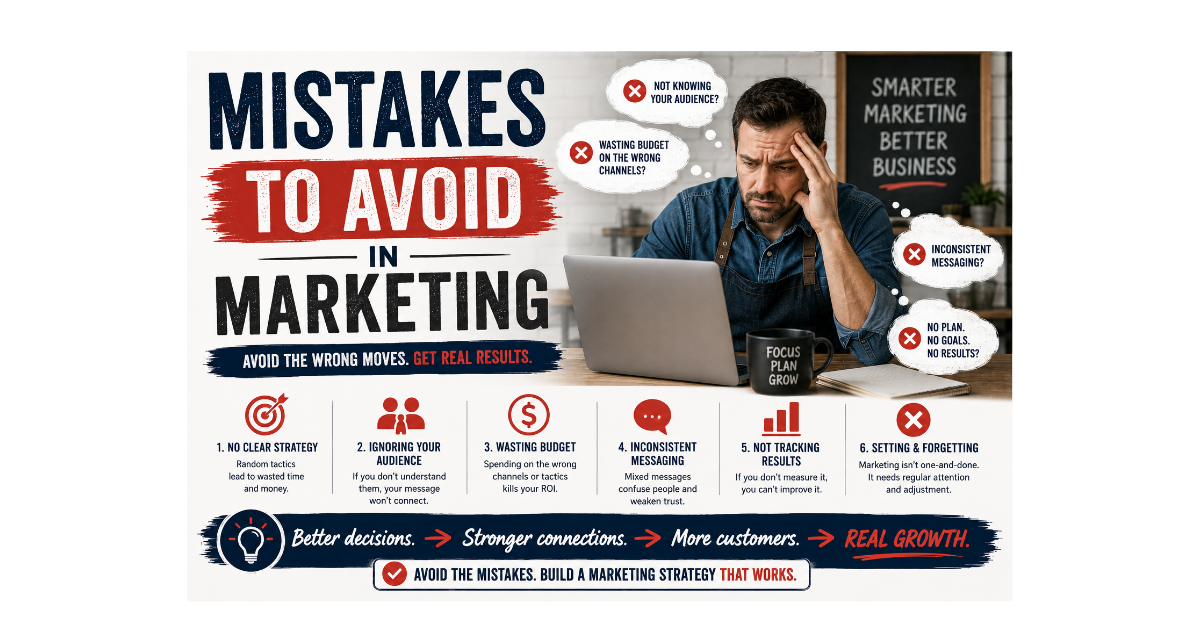
If you don't measure your results, you're essentially guessing. And guessing can be expensive.
The good news is that measuring marketing performance doesn't have to be complicated. In fact, a few simple tracking methods can reveal exactly where your customers are coming from and which campaigns deserve more of your budget.
The first step is identifying your marketing goals. Are you trying to increase foot traffic, generate phone calls, collect leads, or boost sales? Different goals require different measurements. A restaurant may focus on customer visits, while a service business may care more about phone inquiries or appointment bookings.
Once you've established your goals, start tracking the source of every lead or customer. One of the easiest ways to do this is simply by asking new customers, "How did you hear about us?"
You may be surprised by the answers. What you thought was your best-performing marketing channel might actually be producing very few customers.
Another effective strategy is using unique offers for different marketing campaigns. For example, a direct mail piece might contain a coupon code that's different from the one used in a newspaper advertisement. By tracking which codes are redeemed, you can determine which campaign generated the most responses.
Phone tracking can also provide valuable insights. Dedicated phone numbers for specific campaigns allow you to see which advertisements are driving calls. Likewise, unique landing pages or QR codes can help measure responses from flyers, postcards, signs, and other offline marketing materials.
Beyond tracking responses, it's important to calculate return on investment (ROI). This simply means comparing how much revenue a campaign generated against how much it cost to run. If a $500 direct mail campaign produces $3,000 in sales, that's a strong return.
If another campaign costs the same amount but generates only $600 in revenue, you may want to reconsider that strategy.
Remember that not all results are immediate. Some marketing efforts build awareness and trust over time. A customer may see your business sign, receive a postcard, and hear a recommendation from a friend before finally making a purchase. Consistent tracking helps you understand these patterns and make better decisions.
The businesses that grow the fastest are rarely the ones spending the most on marketing. They're usually the ones measuring the most. When you know what's working, you can confidently invest more money into successful campaigns and eliminate those that aren't producing results.
Marketing becomes much easier when the numbers tell you where to focus. Stop guessing, start tracking, and let your results guide your next move.