
Understanding Your Local Market
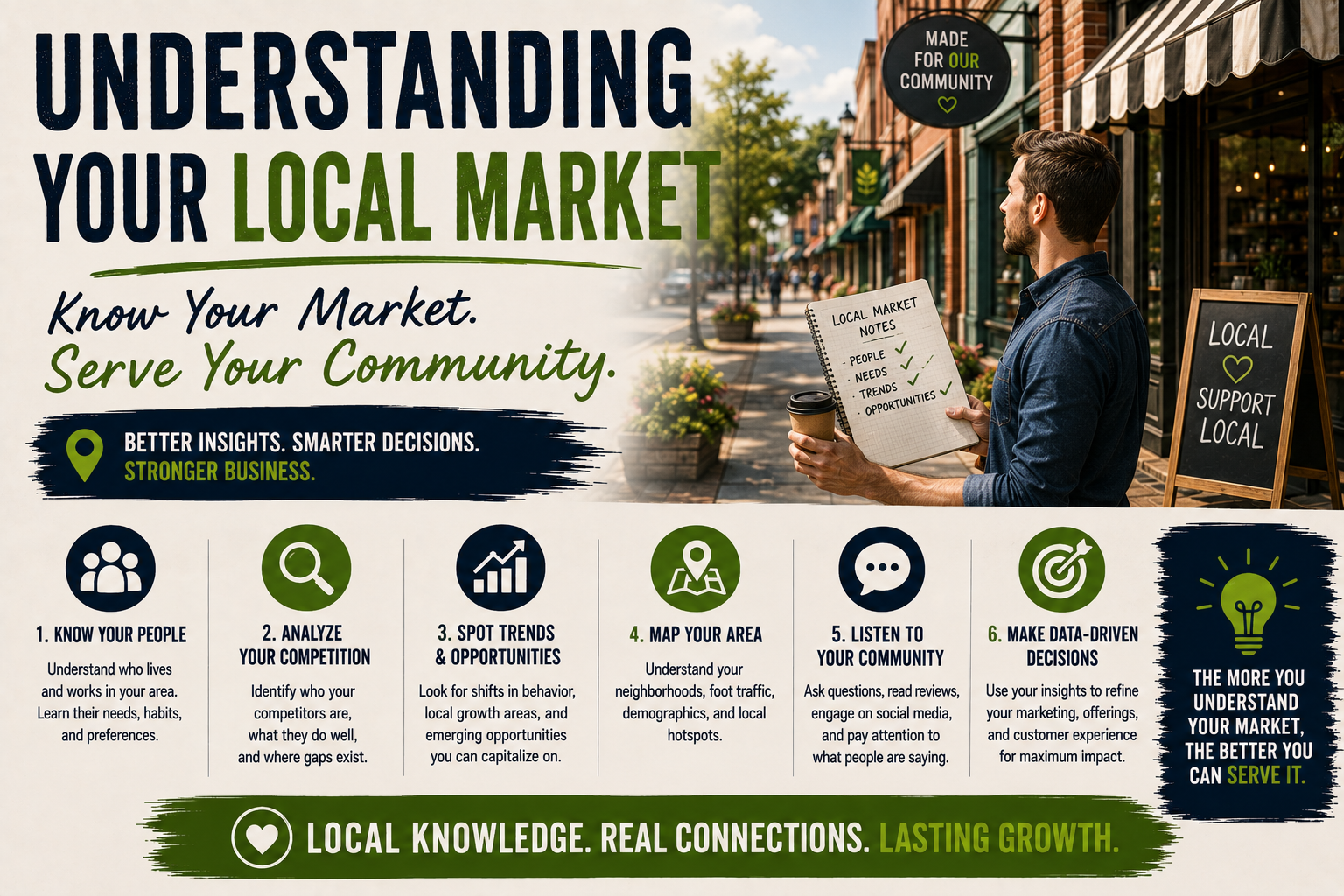
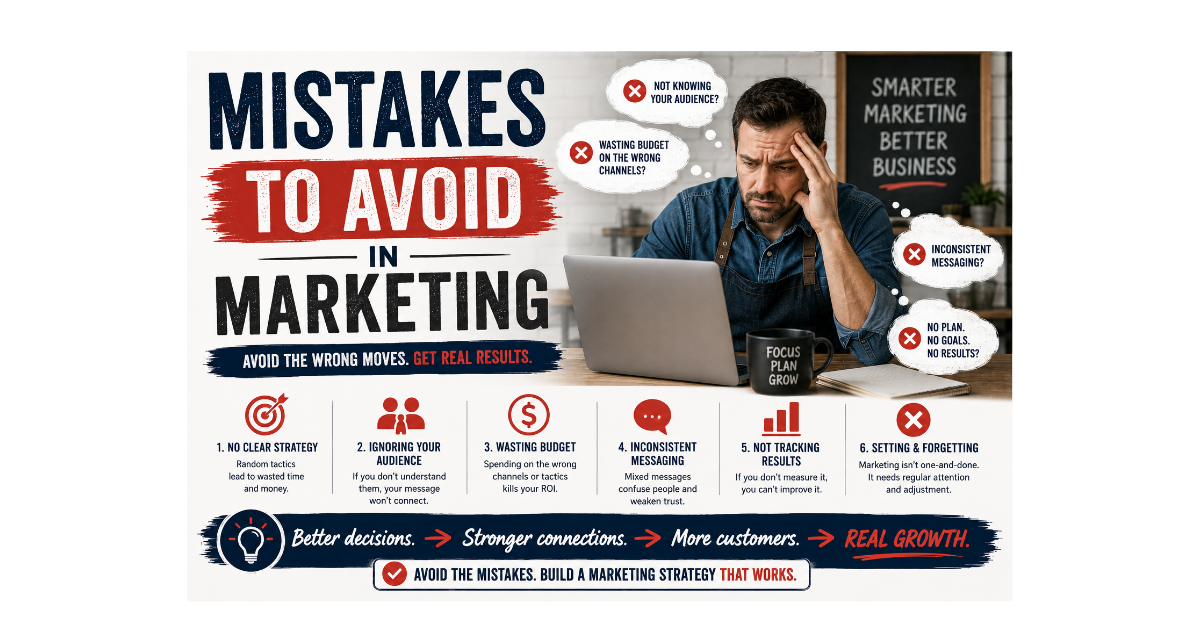
One of the biggest mistakes small business owners make is trying to market to everyone. The truth is that effective marketing starts with understanding the people who are most likely to buy from you.
The better you understand your local market, the easier it becomes to attract customers, increase sales, and build long-term loyalty.
Your local market consists of the people, businesses, and communities within your service area. These are the individuals who pass by your storefront, see your signs, attend local events, and have the highest likelihood of becoming repeat customers.
Understanding what they need, want, and value allows you to create marketing that actually works.
The first step is identifying your ideal customer. Ask yourself who benefits most from your products or services. Consider factors such as age, income level, occupation, lifestyle, and buying habits.
For example, a coffee shop near a business district may target office workers looking for a quick morning stop, while a family restaurant may focus on parents seeking affordable dining options.
Next, study your local competition. Visit their locations, review their websites, follow their social media accounts, and observe their promotions. Pay attention to what they're doing well and where they may be falling short. Competitor research can reveal gaps in the market that your business can fill.
If customers frequently complain about slow service at a competitor's location, emphasizing speed and convenience in your marketing may help you stand out.
Customer feedback is another valuable source of market information. Talk directly with customers whenever possible. Ask why they chose your business, what they like most, and what improvements they would like to see.
Online reviews can also provide valuable insights into customer expectations and frustrations. The more feedback you collect, the better you'll understand the needs of your audience.
Local demographics also play a major role in marketing success. Population growth, household income, age distribution, and community interests can all influence buying behavior.
Many cities and counties publish demographic data that can help you better understand the people in your area. This information can guide decisions about pricing, product offerings, advertising, and promotions.
Community involvement is another powerful way to learn about your market. Attend local events, join business associations, sponsor community activities, and build relationships with other local business owners.
These interactions provide firsthand knowledge of what matters most to local residents and help establish your business as a trusted member of the community.
Most importantly, remember that markets change. Consumer preferences evolve, new competitors enter the area, and economic conditions shift. Businesses that regularly monitor their local market are better equipped to adapt and stay ahead.
Understanding your local market isn't complicated, but it does require attention and effort. By learning who your customers are, what they want, and how your business can serve them better than the competition, you'll create more effective marketing campaigns and build a stronger foundation for long-term growth.