
Print Marketing: A Proven Way to Reach Local Customers
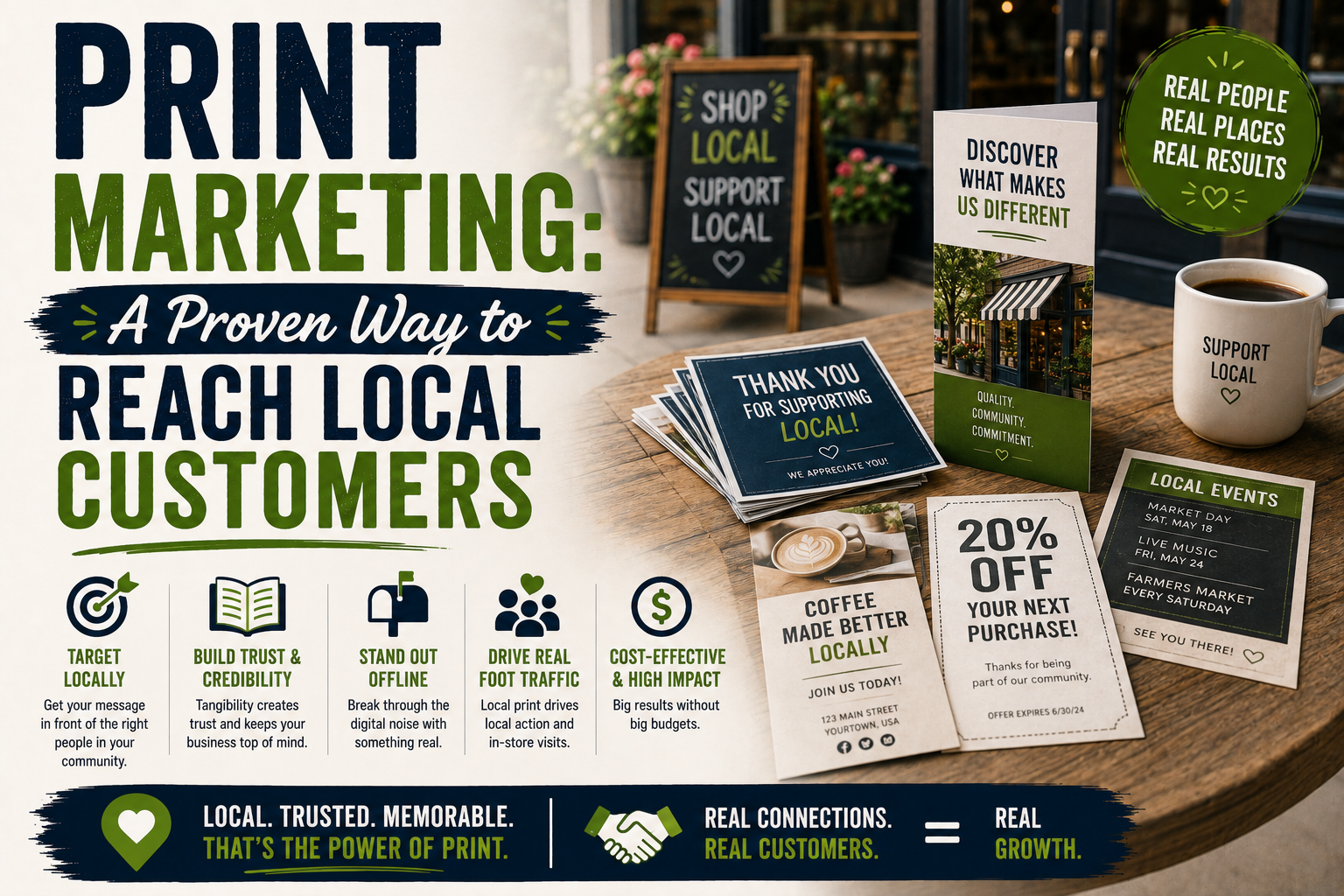
Many small business owners overlook one of the most effective marketing methods available: print marketing. While social media posts and online ads come and go in seconds, printed materials create a physical connection with potential customers that can leave a lasting impression.
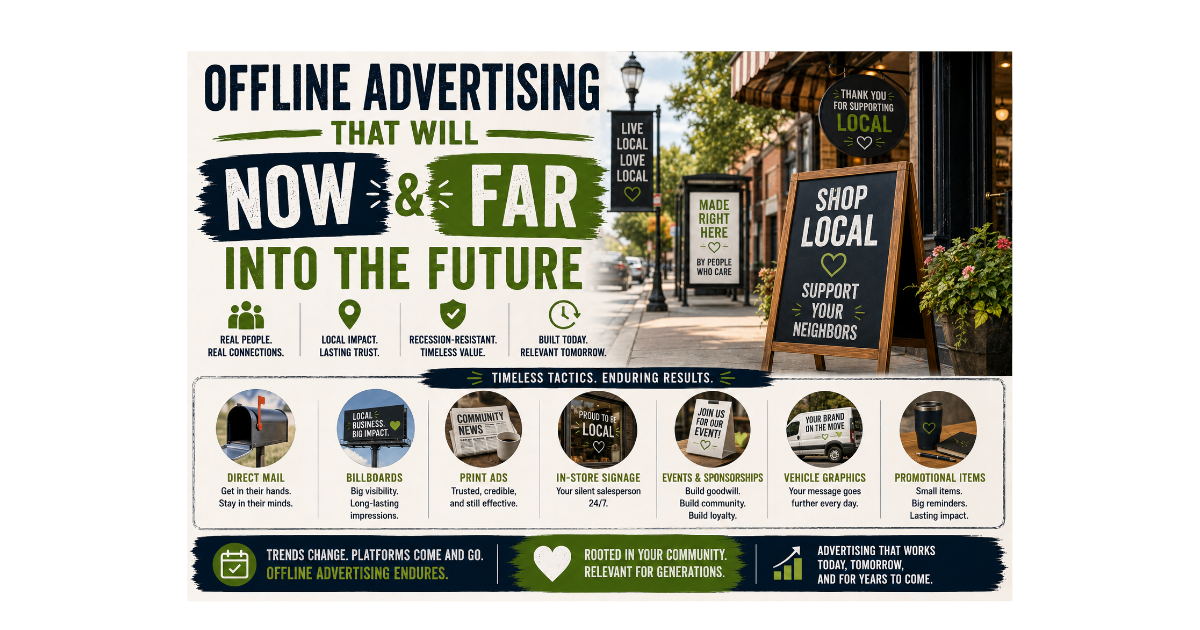
Print marketing refers to any promotional material that is physically printed and distributed to customers. Common examples include flyers, brochures, postcards, business cards, catalogs, banners, posters, and direct mail campaigns. These materials help businesses build brand awareness, promote offers, and generate local leads.
One of the biggest advantages of print marketing is its ability to stand out. Consumers are constantly bombarded with digital ads online. As a result, many people ignore banner ads, skip video advertisements, and scroll past promotional posts. A well-designed printed piece, however, can capture attention because it is tangible. Customers can hold it, save it, and refer back to it later.
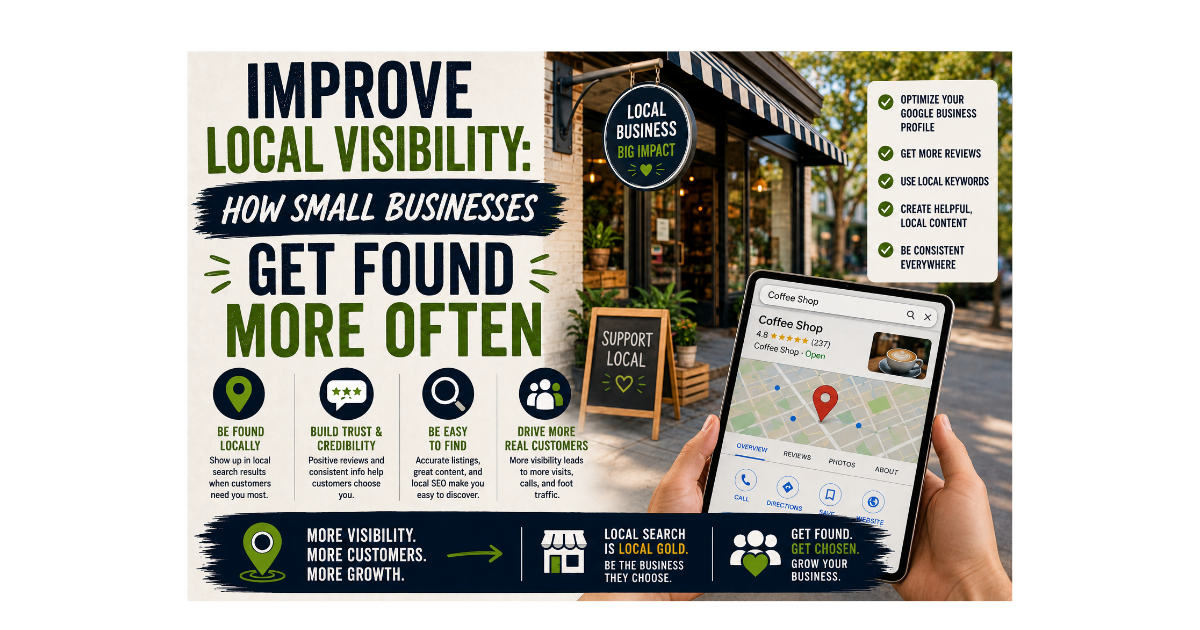
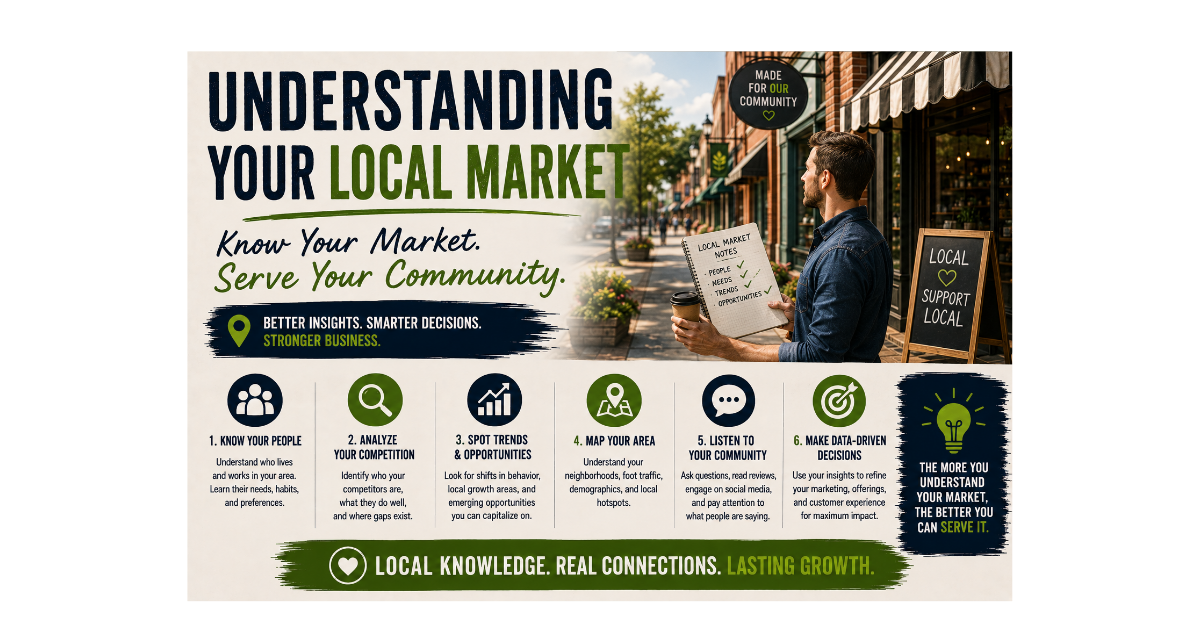
Print marketing is especially valuable for local businesses. Restaurants, retail stores, contractors, salons, real estate agents, and service-based companies often serve customers within a specific geographic area.
By distributing flyers, postcards, or direct mail pieces to nearby neighborhoods, businesses can target potential customers who are most likely to visit their location or use their services.
Another benefit of print marketing is credibility. Professionally designed printed materials often make a business appear more established and trustworthy.
A high-quality brochure or direct mail piece can communicate professionalism in a way that many online ads cannot. For businesses competing against larger companies, print marketing can help level the playing field.
Print marketing also works exceptionally well when combined with digital marketing. For example, a postcard can include a QR code that directs recipients to a website, landing page, or special offer.
A flyer can promote a social media account, while a brochure can encourage customers to sign up for an email newsletter. By integrating both online and offline marketing strategies, businesses can create multiple touchpoints that increase the likelihood of a sale.
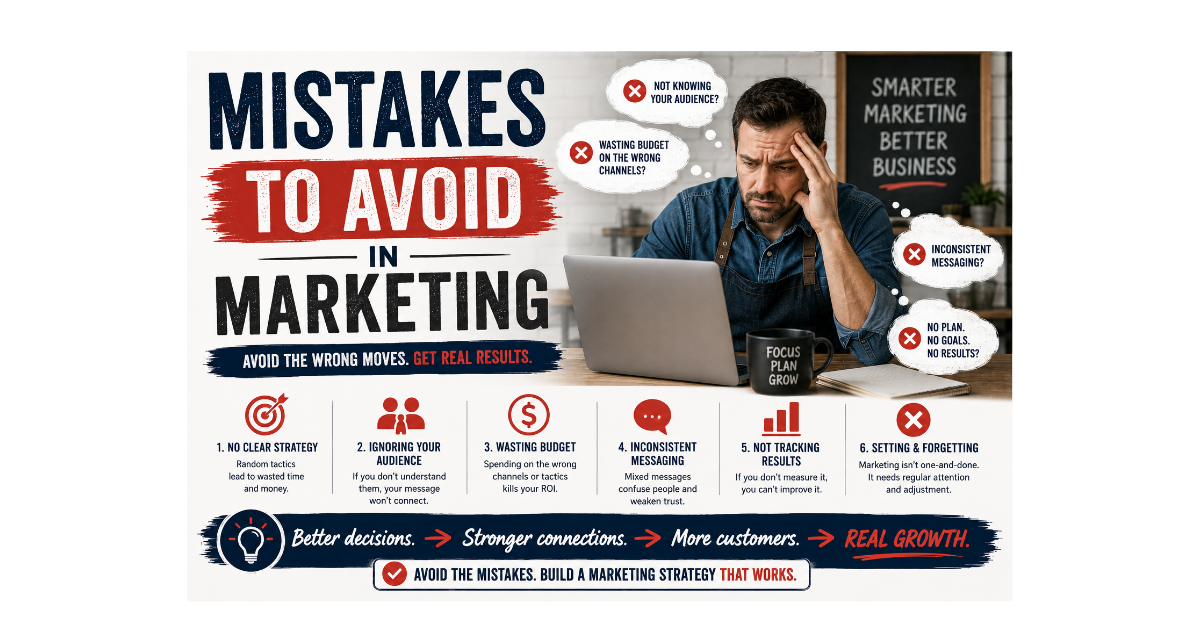
To get the best results from print marketing, businesses should focus on clear messaging and strong design. Headlines should immediately communicate the main benefit to the customer.
The design should be easy to read and visually appealing. Most importantly, every piece should include a clear call to action, such as calling a phone number, visiting a website, scanning a QR code, or redeeming a special offer.
Despite the rise of digital advertising, print marketing remains a powerful tool for small businesses. It helps companies reach local audiences, build trust, and create memorable customer experiences.
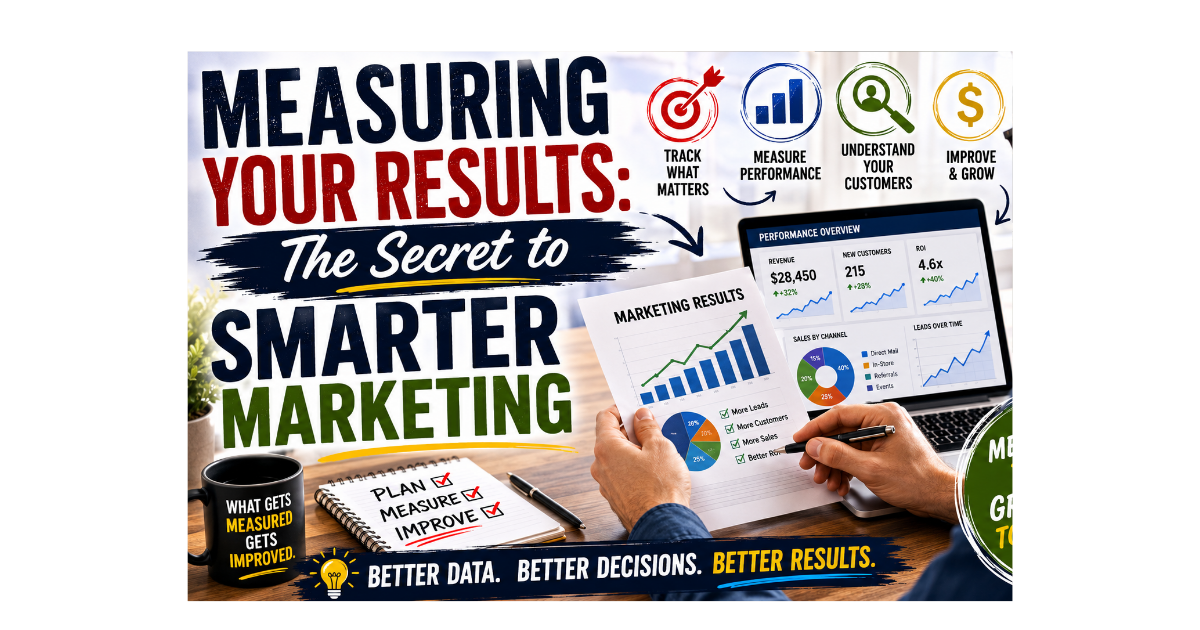
When used strategically, print marketing can generate leads, increase sales, and complement a broader marketing plan. For businesses looking to attract more local customers, print marketing continues to be one of the most reliable and cost-effective promotional methods available.