
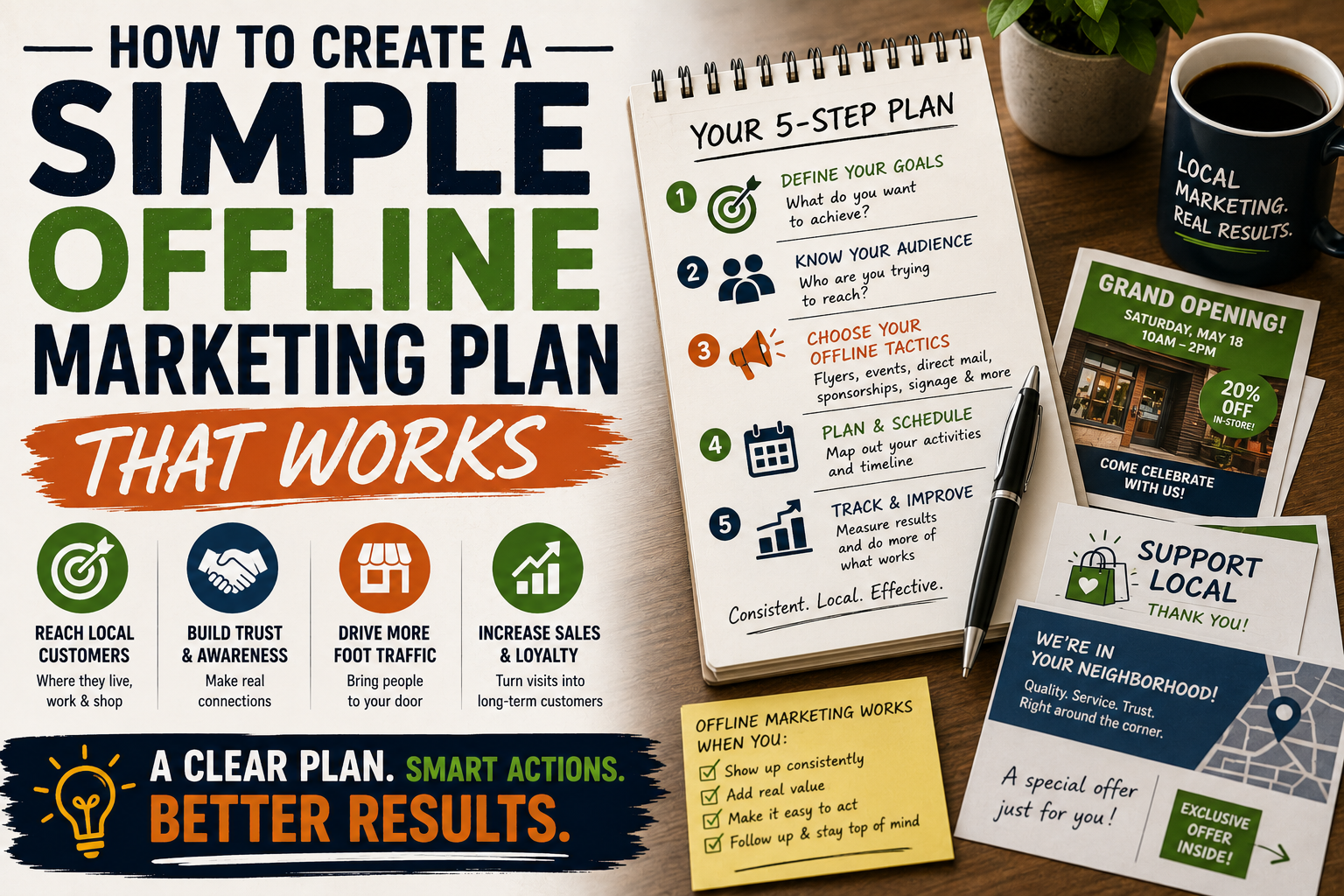
How to Create a Simple Offline Marketing Plan That Works
Most “marketing plans” are bloated, overcomplicated, and about as useful as a screen door on a submarine.
You don’t need a 47-page document filled with charts, mission statements, and buzzwords nobody understands.
What you need is a lean, mean, no-nonsense plan that actually brings customers through your door… and puts money in your pocket.
So let’s strip this thing down to the studs and build something that works.
Step 1: Get Brutally Clear on Who You Want
If your marketing is aimed at “everyone,” it hits no one.
You need to know exactly who you’re going after.
Not vague fluff like “small business owners” or “homeowners.”
I’m talking about specifics:
- Age range
- Income level
- Occupation
- Location
- Biggest frustrations
- What keeps them up at night
For example:
“Local homeowners, 35–60, who feel embarrassed about their outdated kitchen but don’t know where to start.”
Now you’re cooking.
Because when you know exactly who you’re talking to, your message starts hitting like a hammer instead of a feather.
Step 2: Identify Their Pain (and Turn the Knife)
People don’t buy because they’re interested.
They buy because something is bothering them enough to take action.
Your job is to find that problem… and shine a spotlight on it.
Ask yourself:
- What are they sick of dealing with?
- What are they worried about?
- What have they already tried that didn’t work?
Then call it out.
Not gently. Not politely.
Clearly.
Example:
“Tired of spending money on ads that don’t bring in real customers?”
If they feel that in their gut, you’ve got their attention.
Step 3: Craft an Offer That’s Hard to Refuse
Here’s where most businesses fall flat on their face.
They promote themselves.
Nobody cares.
People care about what they get.
So instead of saying:
“We offer professional landscaping services”
You say:
“Get a picture-perfect yard in 30 days… or we’ll keep working for free until you love it.”
See the difference?
Your offer should answer one question:
- “Why should I act right now?”
Add urgency. Add a guarantee. Add a bonus.
Make it feel like passing it up would be a mistake.
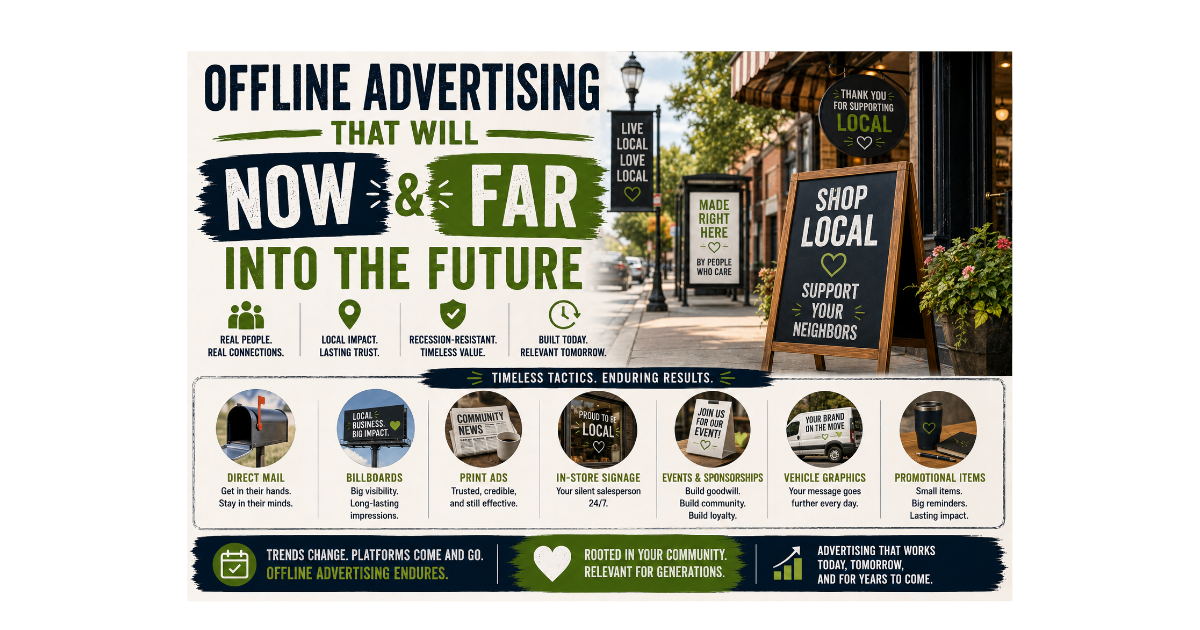
Step 4: Choose 2–3 Offline Channels (Not 10)
You don’t need to be everywhere.
You need to be effective somewhere.
Pick a few channels where your audience actually pays attention:
- Direct mail
- Flyers
- Door hangers
- Local newspapers
- Community bulletin boards
- In-store signage
- Referral cards
Then commit.
A mediocre message repeated consistently beats a brilliant message used once.
Step 5: Create Simple, Punchy Marketing Pieces
This is where the rubber meets the road.
Your marketing materials don’t need to be pretty.
They need to be persuasive.
Focus on:
- A Strong Headline
Grab attention immediately.
“Stop Wasting Money on Marketing That Doesn’t Work”
- A Clear Problem
Show them you understand.
“Most local businesses burn cash on ads that never bring real customers.”
- Your Solution
Position yourself as the fix.
“We help you attract ready-to-buy customers using proven offline methods.”
- Your Offer
Make it irresistible.
“Try it risk-free for 30 days. If it doesn’t work, you don’t pay.”
- A Call to Action
Tell them exactly what to do.
“Call now,” “Visit today,” “Bring this card in”
No fluff. No filler. No confusion.
Step 6: Put a Tracking System in Place
If you’re not tracking, you’re guessing.
And guessing is expensive.
You need to know what’s working and what’s not.
Simple ways to track:
- Use different phone numbers for different campaigns
- Add a unique coupon code
- Ask every customer, “How did you hear about us?”
This isn’t complicated.
But it’s critical.
Because once you know what’s working, you can double down and scale it.
Step 7: Set a Budget You Can Stick To
Here’s a mistake that kills momentum:
Blowing your budget all at once… then disappearing.
Consistency beats intensity.
Instead of spending $5,000 in one burst, spread it out.
- Show up regularly.
- Stay visible.
- Become familiar.
Because familiarity builds trust… and trust drives sales.
Step 8: Build a Follow-Up System (Where the Money Is)
Most businesses give up after the first contact.
Big mistake.
The real money is in the follow-up.
Not everyone is ready to buy today.
But that doesn’t mean they won’t buy later.
Collect contact information whenever possible:
- Phone numbers
- Mailing addresses
- Emails
Then follow up:
- Send postcards
- Mail special offers
- Check in with past customers
You’re not being annoying.
You’re staying top of mind.
And when they’re ready… guess who they call?
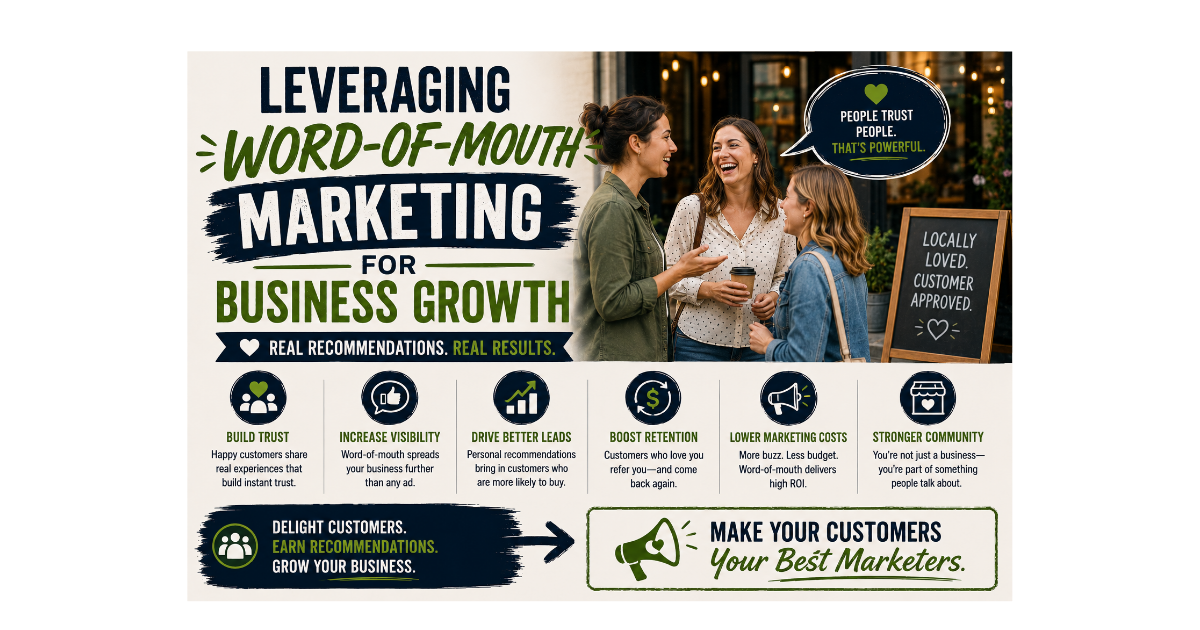
Step 9: Leverage Your Existing Customers
This is the easiest money you’ll ever make.
Happy customers are walking, talking billboards.
Use that.
Create a simple referral system:
“Refer a friend and get $25 off your next service.”
Or:
“Bring a friend and you both get a bonus.”
Give people a reason to spread the word.
Because word-of-mouth, when done right, is rocket fuel.
Step 10: Test, Tweak, Repeat
Your first attempt doesn’t need to be perfect.
It just needs to be live.
Get it out there.
Then improve it.
Test different:
- Headlines
- Offers
- Formats
- Distribution areas
Pay attention to results.
Kill what doesn’t work.
Scale what does.
That’s how you build a marketing machine.
Final Word
You don’t need a complicated strategy.
You need a simple plan… executed consistently.
Know your audience.
- Hit their pain.
- Make a strong offer.
- Show up where they are.
- Track results.
- Follow up relentlessly.
That’s it.
Do this right, and you won’t just “have a marketing plan.”
You’ll have a system that brings in customers… over and over again.
And that’s the
whole game.